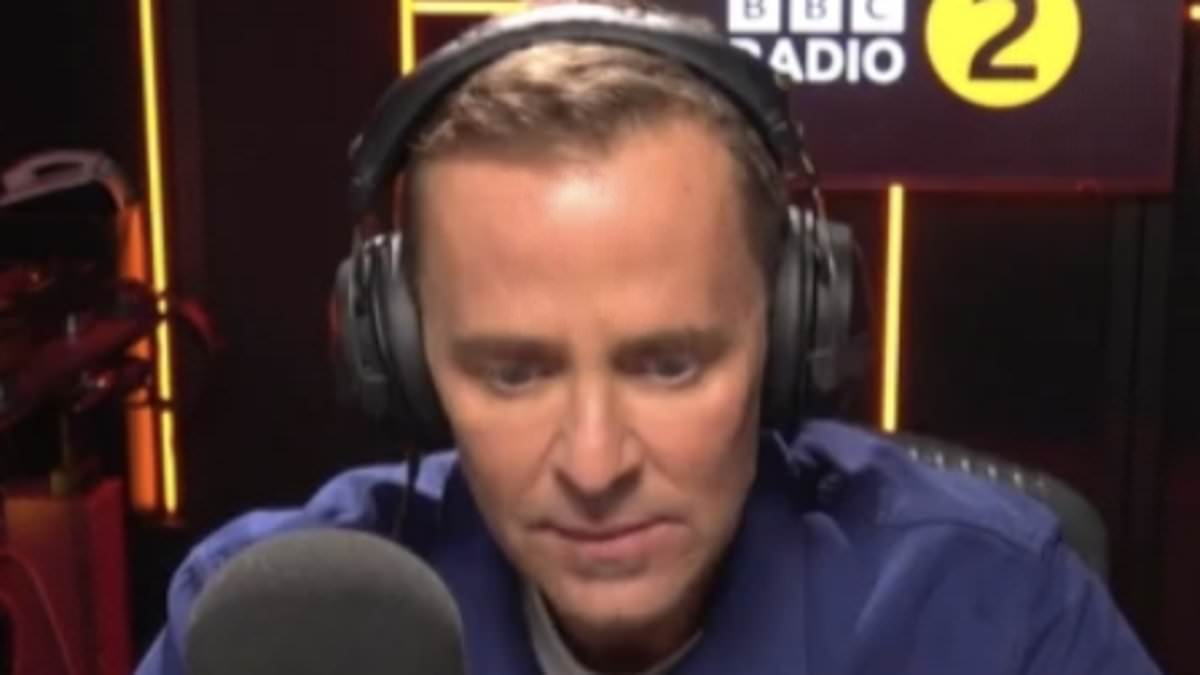
Unraveling the Sudden Departure of Scott Mills from BBC Radio 2
The broadcasting world was sent into a state of shock and speculation following the abrupt departure of veteran presenter Scott Mills from his coveted BBC Radio 2 breakfast show. News broke indicating that Scott Mills was sacked from Radio 2 following allegations concerning his personal conduct, triggering a flurry of questions and concern among his loyal listeners and industry peers. The BBC, known for its rigorous standards, has remained largely tight-lipped, issuing only a brief statement that has done little to quell the intense public interest surrounding the situation.
This unexpected turn of events has brought a high-profile career, spanning over 25 years with the BBC, to an unforeseen halt. Mills, a household name synonymous with British radio, had only recently taken over the flagship breakfast slot, making the timing of his removal even more striking. The narrative unfolding suggests a complex situation involving historic claims and a past police investigation, painting a challenging picture for all involved.
The Unfolding Timeline: From "Back Tomorrow" to Abrupt Absence
The swiftness of Scott Mills' removal from the airwaves left many listeners perplexed. On Tuesday, March 24th, he concluded his programme at 09:30 GMT with the customary sign-off, "Back tomorrow," a promise that would unexpectedly go unfulfilled. The very next morning, DJ Gary Davies stepped in, informing listeners he was "in for Scott Mills," marking the first public indication of an issue.
Behind the scenes, the BBC acted quickly. An internal email circulated on Monday morning from Lorna Clarke, Director of Music at the BBC, confirmed the news to staff. She acknowledged the "sudden and unexpected" nature of the announcement, particularly for those who had worked with Mills across various BBC platforms, including Radio 1, 5 Live, Radio 2, and television. Clarke's email also highlighted the anticipated shock to the audience, promising further updates while stating her inability to disclose more information at that time. Later that day, Jeremy Vine, during his midday Radio 2 show, admitted he was "taken aback by the story" and had "no further information."
This carefully managed, yet undeniably sudden, communication strategy underscores the sensitive nature of the allegations. For more immediate insights into the initial announcement, you can read Radio 2's Scott Mills Fired Abruptly Amidst Historic Conduct Claims.
Behind the Headlines: Details of the Historic Allegations and Police Probe
The underlying reason for Mills' departure, though not fully detailed by the BBC, has been linked to allegations concerning his personal conduct, reportedly stemming from a historic relationship. Further reports have shed more light on the seriousness of these claims. It has since emerged that the 53-year-old presenter was investigated by the Metropolitan Police several years ago regarding alleged serious sexual offences against a teenage boy who was under 16 at the time.
During this investigation, Mills was questioned under caution. However, it is crucial to note that the case was ultimately dropped due to a lack of evidence. The allegations are said to relate to a period when Mills was working at BBC Radio 1. What remains unclear is whether the BBC was aware of this police investigation at the time it occurred. Mills himself is reportedly "blindsided" by the claims resurfacing now, especially given the previous outcome of the police inquiry. The Metropolitan Police spokesman confirmed an investigation had taken place as described. Understanding the intricacies of such investigations and the BBC's internal processes is key; for more details on the probe, see Scott Mills Sacking: What We Know About Police Probe & BBC Silence.
It's important to differentiate between an allegation, a police investigation, and a conviction. The police investigation concluded without charges due to insufficient evidence, which is a significant factual point in this unfolding story. The BBC's decision to part ways with Mills, even with the prior police outcome, suggests a complex internal assessment of reputational risk and conduct policy.
Scott Mills' Legacy and Career Trajectory at the BBC
Prior to this controversy, Scott Mills enjoyed an illustrious and highly successful career with the BBC, spanning over a quarter of a century. Joining Radio 1 in 1998, he became one of its most recognizable voices, eventually hosting Radio 1's Official Chart between 2018 and 2022. His versatility saw him present shows on BBC Radio 5 Live and even grace the dance floor on Strictly Come Dancing in 2014.
In 2022, he made a high-profile move to Radio 2, taking over the afternoon slot from Steve Wright, a significant vote of confidence in his enduring appeal. His career trajectory continued upwards, culminating in his appointment to the coveted Radio 2 breakfast show in January 2025, succeeding Zoe Ball. This was a pinnacle achievement, and under his stewardship, the show thrived, increasing its audience to 6.5 million listeners in February, his highest figure since taking over, making it the UK's most listened-to breakfast show.
Beyond radio, Mills had a growing presence on TV, providing commentary for the Eurovision semi-finals with Rylan in 2025 and appearing in a Traitors skit for Comic Relief. He was also an acclaimed participant in Celebrity Race Across The World in 2024, which he won with his now-husband Sam Vaughan, whom he married shortly after filming. Mills was also one of the BBC's highest-paid stars, with his reported salary for his previous Radio 2 role and initial breakfast show months ranging from £355,000 to £359,999, with expectations that his full breakfast show salary would be significantly higher.
His impressive career history demonstrates a presenter deeply ingrained in the fabric of British broadcasting, with a vast and dedicated fanbase. The sudden termination of this celebrated career highlights the profound impact that allegations, even historic and unproven in court, can have on public figures and the institutions they represent.
The Broader Implications and BBC's Stance
The situation surrounding Scott Mills being sacked from Radio 2 has sparked considerable discussion about the responsibilities of public broadcasters, the handling of historic allegations, and the delicate balance between safeguarding reputation and employee rights. The BBC's official position of not commenting on "matters relating to individuals" while confirming Mills' contract termination is a standard approach in such sensitive cases. However, for a public institution funded by license payers, this silence can also lead to increased speculation and, for some, a perceived lack of transparency.
For the BBC, navigating such incidents involves complex legal, ethical, and public relations considerations. The corporation must uphold its values and safeguard its reputation, especially in an era of heightened scrutiny regarding conduct and accountability. Simultaneously, it must respect individual privacy and due process. The challenge lies in communicating effectively without prejudicing any potential future actions or infringing upon an individual's rights.
For high-profile personalities, the impact of such news is immense, regardless of the outcome of any formal investigation. The court of public opinion often moves swiftly, and managing one's public image in the face of serious allegations, even those previously deemed unsubstantiated by law enforcement, becomes an arduous task. This case serves as a stark reminder of the long shadow that historic claims can cast, even years later, on even the most established careers.
Conclusion
The departure of Scott Mills from BBC Radio 2 represents a significant moment in British broadcasting, concluding a long and successful chapter for one of its most popular presenters. While the BBC maintains a policy of minimal comment, the revelation of a past police investigation into serious allegations, though dropped due to lack of evidence, provides context to the sudden decision. The incident underscores the profound impact that such claims can have on public figures and institutions, necessitating careful consideration of transparency, ethical conduct, and legal responsibilities. As the dust settles, the future of the Radio 2 breakfast show and the path forward for Scott Mills remain subjects of considerable public interest and speculation.