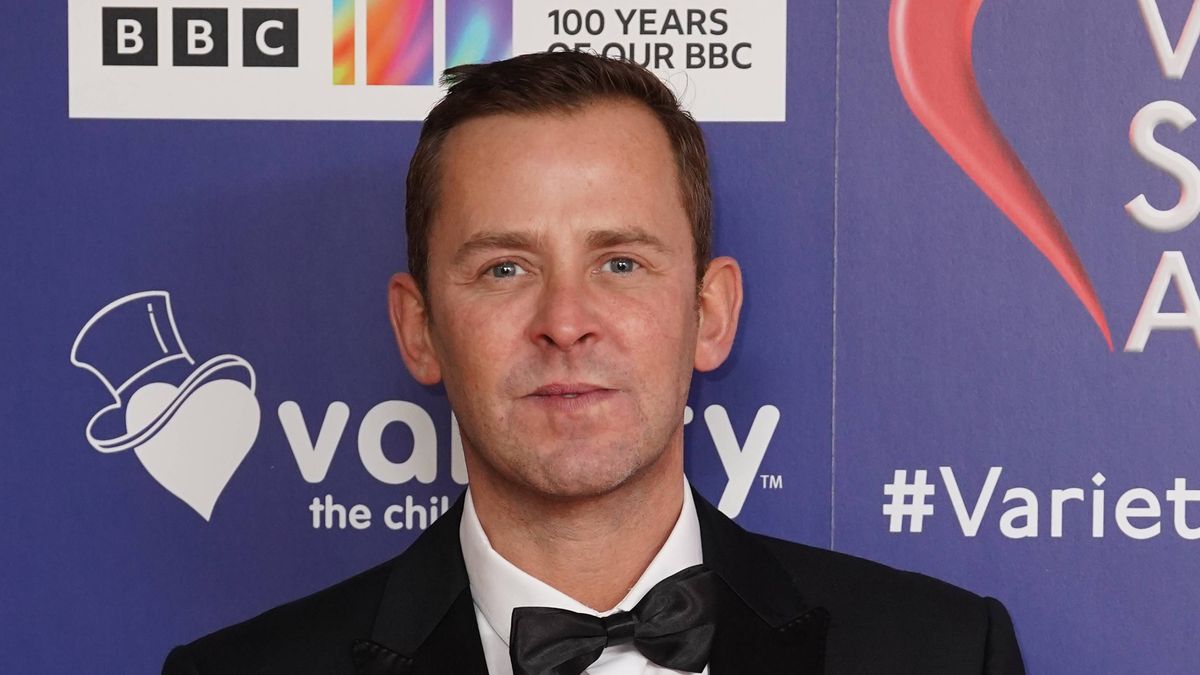
The Shocking Departure of Scott Mills from BBC Radio 2 Amidst Conduct Claims
The broadcasting world was recently rocked by the abrupt dismissal of veteran DJ Scott Mills from his coveted role as host of the BBC Radio 2 Breakfast Show. The news, which came without prior public announcement, has sent ripples of shock across the industry and among his vast listenership. While the BBC has maintained a tight-lipped stance, citing policies against commenting on individual matters, reports quickly emerged linking his Scott Mills sacked from Radio 2 decision to allegations concerning his personal conduct, with further revelations pointing to a historic police investigation.
Mills, a familiar voice on British radio for over 25 years, had only taken over the flagship morning slot in January 2025 from Zoe Ball, achieving impressive listener figures in his short tenure. His sudden exit leaves a significant void and a host of unanswered questions, highlighting the intense scrutiny faced by public figures and the complexities surrounding allegations of a historic nature.
The Abrupt Exit and BBC's Official Silence
The events leading up to Scott Mills' departure unfolded with startling speed. On Tuesday, 24th March, Mills concluded his Radio 2 Breakfast Show at 09:30 GMT with his customary sign-off: "Back tomorrow." However, the following morning, listeners were greeted not by Mills, but by fellow DJ Gary Davies, who simply stated he was "in for Scott Mills." This unexpected change immediately sparked speculation.
Shortly thereafter, news broke that Mills had been Scott Mills fired from Radio 2. The BBC, when approached for comment, issued a concise statement: "While we do not comment on matters relating to individuals, we can confirm Scott Mills is no longer contracted to work with the BBC." This official stance, while standard for the corporation in such circumstances, left the public and indeed many BBC staff members in the dark.
Internally, Lorna Clarke, the BBC's Director of Music, acknowledged the suddenness of the news in an email to staff. She expressed her understanding that the news would be "sudden and unexpected and therefore must come as a shock," particularly for those who had worked with Mills across various BBC platforms for many years. Clarke also recognised the impact on the "audience and loyal breakfast show listeners," promising further updates on the show's plans when possible, but stating she would not elaborate further at that time. Even seasoned broadcasters like Jeremy Vine, at the start of his midday show, admitted he was "taken aback by the story" and possessed "no further information."
Historic Allegations Emerge: The Police Probe
Adding another layer of complexity to the unfolding drama, reports surfaced detailing a historic police investigation involving Scott Mills. It was reported that the 53-year-old presenter had been investigated by police several years ago concerning alleged serious sexual offences against a teenage boy who was under 16 at the time. According to these reports, Mills was questioned under caution during the investigation.
Crucially, the case was subsequently dropped due to a lack of evidence. It is understood that these allegations relate to a period when Mills was working at BBC Radio 1. A significant unknown remains whether the BBC was made aware of this police investigation at the time it occurred. Mills himself is said to have been completely "blindsided" by the recent claims, which led to his abrupt removal from air.
The surfacing of this historic police probe naturally intensifies public scrutiny and raises questions about the BBC's internal processes for handling such sensitive information. For a deeper understanding of the details surrounding this investigation, you can read more at Scott Mills Sacked: Police Investigation into Past Allegations Uncovered and Scott Mills Sacking: What We Know About Police Probe & BBC Silence.
A Celebrated Career Cut Short: Scott Mills' Legacy at the BBC
Before his sudden departure, Scott Mills enjoyed an illustrious career spanning over a quarter-century at the BBC, making him one of the corporation's most recognizable and highly paid stars. His journey began at Radio 1 in 1998, where he became a cornerstone of its daytime schedule, eventually hosting the coveted Official Chart Show between 2018 and 2022. His infectious energy and relatable style endeared him to millions, establishing a significant following.
Mills' versatility was evident across various BBC platforms. He hosted a weekend show on BBC Radio 5 Live, showcasing his ability to adapt to different formats and audiences. On television, he was a contestant on Strictly Come Dancing in 2014, provided TV commentary for the Eurovision semi-finals alongside Rylan in 2025, and made recent appearances in a Traitors skit for Comic Relief, demonstrating his broad appeal and comedic timing.
His move to Radio 2 in 2022 saw him replace the legendary Steve Wright in the afternoon slot, a significant career progression. This then culminated in his promotion to the flagship Radio 2 Breakfast Show in January 2025, taking over from Zoe Ball. In this role, he quickly proved his mettle, with the latest figures in February showing his audience increasing to 6.5 million listeners, making it the UK's most listened-to breakfast show and his highest figures since taking the reins.
Mills' salary, indicative of his star power, was reported between £355,000 - £359,999 in the latest annual report for his previous Radio 2 role and initial months on the Breakfast Show. His full salary for the Breakfast Show was expected to be significantly higher, likely to be revealed in upcoming reports. Beyond his professional accolades, Mills also garnered personal success, winning BBC's Celebrity Race Across The World in 2024 with his now-husband Sam Vaughan, a journey he described as the "ultimate test of our relationship," with the couple marrying shortly after filming.
Navigating the Aftermath: Impact and Future Questions
The abrupt termination of Scott Mills' contract and the subsequent revelations have left a palpable void and a myriad of questions for the BBC, its listeners, and the broader media landscape. For the BBC, the challenge lies in managing public perception while adhering to its internal policies and legal obligations, particularly in cases involving historic allegations and the privacy of individuals involved. The 'no comment' stance, while legally sound, often fuels public speculation and can be perceived as a lack of transparency.
For the millions of loyal Radio 2 listeners, the sudden absence of a familiar voice, particularly one that had recently achieved significant audience growth, creates disruption. The network must now swiftly determine a permanent replacement for the Breakfast Show, a role that carries immense responsibility and audience expectation. In the interim, temporary presenters like Gary Davies are tasked with maintaining continuity and listener engagement amidst the uncertainty.
This incident also underscores the increasing scrutiny public figures face, not just for their current actions but for historic allegations that can resurface years later. It highlights the complexities of journalistic ethics, legal processes (especially when cases are dropped due to lack of evidence), and the potential impact on careers and reputations. The balance between public interest, privacy, and the fair treatment of individuals involved in such claims remains a delicate and often contentious issue.
Conclusion
The departure of Scott Mills from BBC Radio 2 marks a significant and unexpected turn in British broadcasting. Triggered by allegations of personal conduct and subsequently linked to a historic police investigation into serious sexual offences – a case that was ultimately dropped due to insufficient evidence – his exit has left a considerable legacy of questions. From his sudden on-air sign-off to the BBC's formal but sparse statement, the narrative has been one of abruptness and official silence. Mills' long and distinguished career, marked by immense popularity and recent successes on Radio 2, stands in stark contrast to the circumstances of his exit. As the dust settles, the industry and public alike await further clarity, pondering the immediate future of the Radio 2 Breakfast Show and the broader implications for celebrity accountability and media transparency in an age where historical claims can swiftly impact contemporary careers. The story of why Scott Mills was sacked from Radio 2 is likely to continue to evolve as more details, if any, come to light.